THE TABLE OF JOY: Rediscovering Joy Through Presence
Joy has a way of finding us when we stop chasing it.
This third week of Advent meets us not in noise or spectacle, but in something quieter and more surprising: joy that grows through presence, through shared life, and through the simple faithfulness of showing up at the table. Not joy as excitement or escape, but joy as something restored — slowly, relationally, and often after hard decisions.
The Scriptures tell us that when Mary entered Elizabeth’s home, joy didn’t arrive through words or explanations. It arrived through presence. Two women, carrying heavy and holy stories, recognized God at work in one another, and joy overflowed — not privately, but communally. Joy was awakened because it was shared.
That picture has stayed with us this Advent, especially as we look back over the last couple of years.

Joy After Hard Decisions
Two years ago, life shifted in ways we didn’t expect. Without going into all the details, we found ourselves carrying weight that had slowly become unsustainable — long hours, constant pressure, and the quiet but steady erosion of margin. We were trying to be faithful to everything God had called us to, but in the process, we were losing something precious: the ability to be fully present with one another and with our children.
There came a moment when we realized that continuing the way we were going would cost us more than we were willing to give. We made a hard decision — really, the only decision we could — that we would no longer sacrifice our marriage, our family, and our health for something that had taken far more than it had given. That decision didn’t solve everything overnight, but it created something we hadn’t had in a long time: space.
And in that space, joy began to return — not all at once, not dramatically, but faithfully.
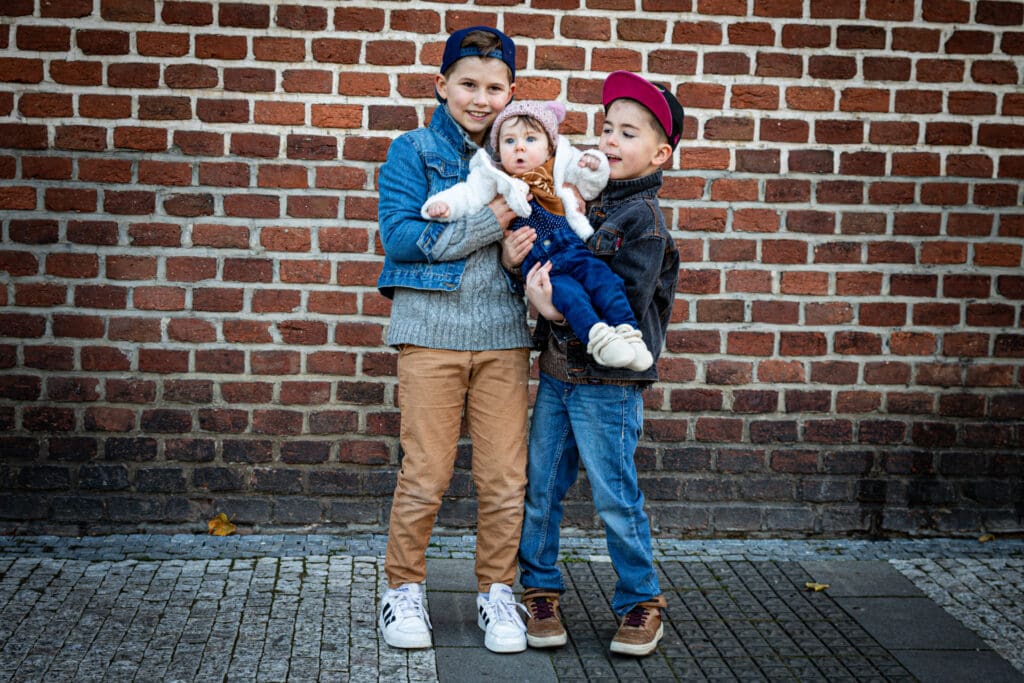
I went from putting the boys to bed maybe once a week, if I was lucky, to being there almost every night. We began praying together consistently. Gratitude became a nightly rhythm. The gospel found its way into bedtime conversations in simple, honest ways. Joy showed up quietly — in routines, in laughter, in the gift of being present.
And then Belle arrived.
She came after space had already been made, after priorities had been reordered. She’s been more demanding than we imagined, fiercely attached to her mama, and utterly resistant to being put down. And yet, she is also the most joyful, smiley baby of our three. When I say, “Hey baby Belle,” and her whole face lights up, it feels like a gentle reminder from God — a reminder that joy often follows obedience, even when that obedience was costly.
Joy in the Midst of Both
This doesn’t mean life suddenly became easy. Far from it.
We’re raising two active boys, now six and eight, while navigating life with a nearly six-month-old who wants constant closeness. We’re still carrying the weight of ministry in a place that doesn’t yield quick results. We still long for co-laborers, for others who will help set tables with us, who will share the work and the joy of hospitality and presence.
There are days when joy feels close and days when it feels distant. And yet, we’re learning that joy doesn’t wait for things to settle down. It grows in the midst of both — fullness and fatigue, hope and longing, gratitude and unmet desire.
This kind of joy doesn’t shout. It stays.
The Table as a Place Where Joy Is Restored
Historically, Christmas joy was often hosted before it was felt.
In medieval Europe, the great Christmas feast stood at the center of the season. The table was where abundance was displayed, where communities gathered, and where joy was received rather than manufactured. The feast wasn’t about excess for its own sake — it was about enoughness. Enough food. Enough warmth. Enough belonging.
Joy wasn’t something you worked up. It was something you entered.
That matters, especially in cultures — like the one we live in — where cynicism often feels safer than joy. In the Czech context, joy is rarely loud. It’s cautious, sometimes suspicious, shaped by history and disappointment. And yet, when joy is real here, it is deep. It is embodied. It is shared slowly, often around a table, over time.
Biblical joy speaks gently into that space. It doesn’t deny pain or pretend everything is fine. It simply insists that God is present — and that His presence changes things.
Joy Grows Through Community
Joy multiplies when it’s shared.
That’s what Mary and Elizabeth teach us. That’s what our own table continues to teach us. Joy grows when we make space for one another, when we slow down enough to notice the good God is already doing, when we let gratitude interrupt our striving.
The table restores joy not because it fixes everything, but because it brings us back to what matters most: presence, relationship, and the God who meets us there.
Practice: The Table of Joy
This week’s practice is simple.
1. Pray this prayer:
Jesus, help us notice the joy You’ve already placed among us.
2. Ask Jesus this question:
Who could we invite into that joy — even in a small way?
3. Act on it.
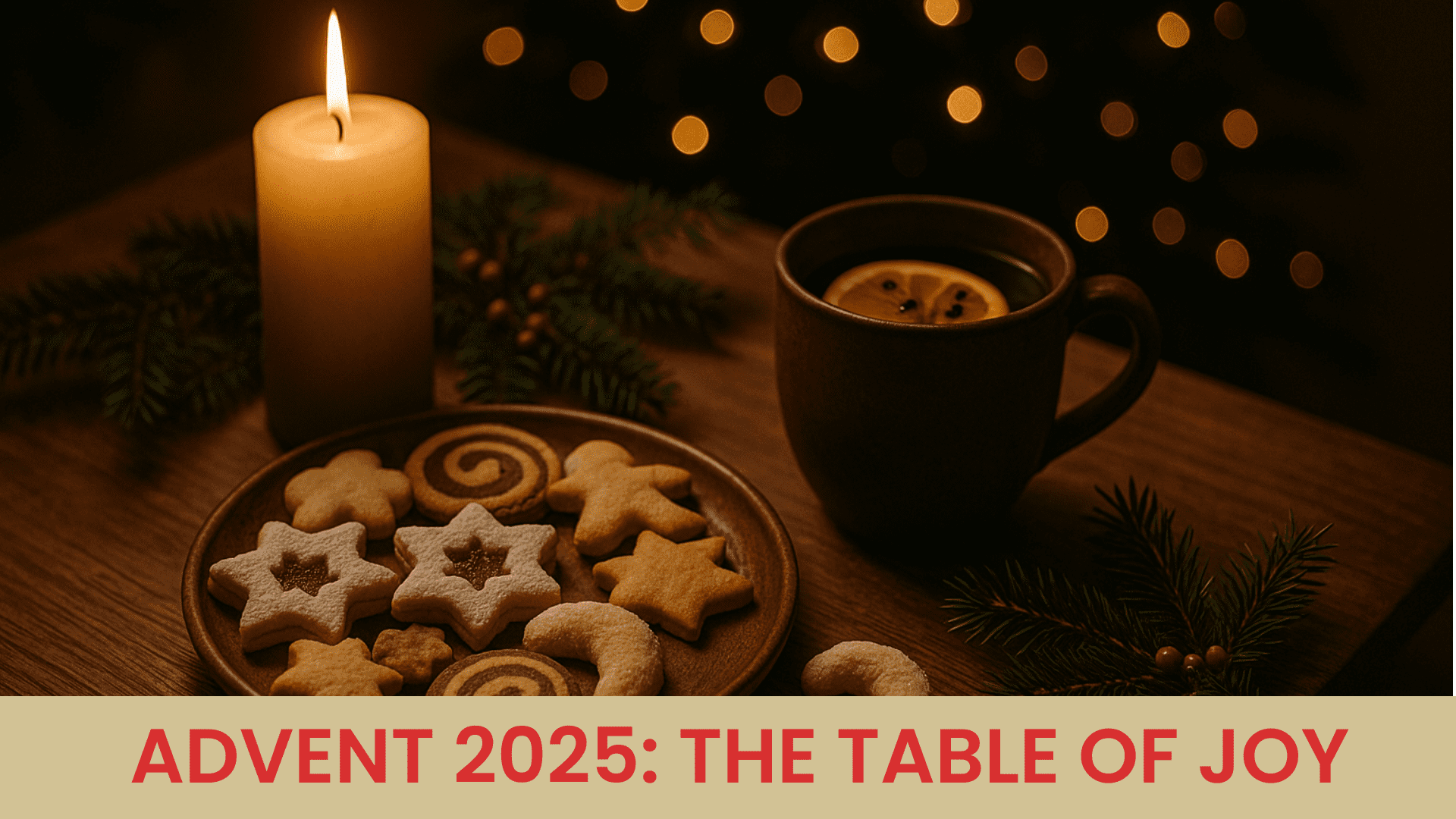
It might be a shared dessert, a quiet cup of tea, a simple evening meal. Joy doesn’t require perfection. It only requires space.
Advent joy doesn’t arrive all at once.
It grows — slowly, faithfully — around tables where presence is chosen.
And that kind of joy, once rediscovered, has a way of staying.




0 Comments